New Milwaukee Youth Facility Advances Plan to Phase Out Lincoln Hills
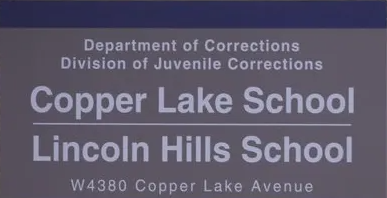
Wisconsin is moving another step closer to ending juvenile operations at the Lincoln Hills and Copper Lake facilities in Lincoln County, with state officials opening a new youth treatment center in Milwaukee.
Governor Tony Evers and Department of Corrections leadership recently marked the opening of the Southeast Regional Care Center for Youth, a 32-bed facility designed to serve young people in the southern part of the state. The first youth are expected to arrive next month.
The center is intended to keep young offenders closer to their families and community support systems while providing education, health care and rehabilitative services. Its design includes a school with a music studio, welding and woodworking workshops, a health services unit and a psychological services unit. A rooftop solar array will provide part of the facility’s power. State officials say the center’s programming will reflect current understanding of adolescent development, using evidence-based approaches intended to encourage better decision-making and support rehabilitation.
The Milwaukee facility represents the first phase of Wisconsin’s plan to phase out juvenile operations at the Lincoln Hills and Copper Lake campus near Irma by spring 2029. The state plans to open additional regional youth facilities as part of the transition. Another center is under construction in Dane County and is expected to help expand capacity outside Lincoln County. Once the regional centers are operational and the transition is complete, the state intends to convert the existing campus, which has a capacity of approximately 500 beds, into an adult male correctional facility.
For Lincoln County, the plan would bring an end to the campus’s long-standing role in housing young offenders. The transition also raises questions about the future use of the property, the timeline for construction and opening of the remaining regional facilities, and the local economic effects of changing the site’s mission.
The spring 2029 target remains a key milestone as the state continues implementing its regional approach to juvenile corrections.